
Choosing between new vs second-hand pallet racking can be a tough call for any warehouse project. While new systems come with the certainty of compliance and longevity, second-hand pallet racking can significantly reduce upfront costs, especially when matched with your existing setup.
Whether you’re expanding, relocating, or starting a new fitout, here’s how to decide what’s right for your warehouse.
Pros and Cons of Second-Hand Pallet Racking in NZ
For the right type of project, buying used warehouse racking provides a low-cost alternative that still meets operational demands.
Pros:
- Lower cost: significant savings on upfront spend
- Compatible with existing systems: allows you to source materials that match your existing system
- Supports reuse: allows you to repurpose materials from your existing layout
Cons:
- Shorter warranty: often minimal or none
- Signs of wear: may have aesthetic or structural damage, and it can be harder to source additional replacement parts in the future
- Limited availability: harder to source in large quantities
- Less design flexibility: fewer options for custom sizing or layout tweaks
- Compliance upgrades may be needed, especially in seismic zones or older buildings
In short, second-hand racking can be a great fit but only when matched to the proper project scope.
Related Resource: Five Benefits of Second-Hand Shelving
Safety and Compliance: Is Used Pallet Racking Safe in NZ?
One of the most common questions we hear is: Is second-hand racking safe and compliant?
The answer: it can be if properly inspected and certified.
There’s no difference in safety requirements between new and used systems. Both must meet the same engineering and compliance standards under New Zealand regulations.
However, second-hand racking may require:
- Structural upgrades
- New anchors or baseplates
- Verification from a structural engineer
Before purchasing, always check what is needed to bring the system up to standard. This is especially important when buying used warehouse racking from older sites or lesser-known suppliers.
Related Resource: Do I Need Consent for Pallet Racking in New Zealand?
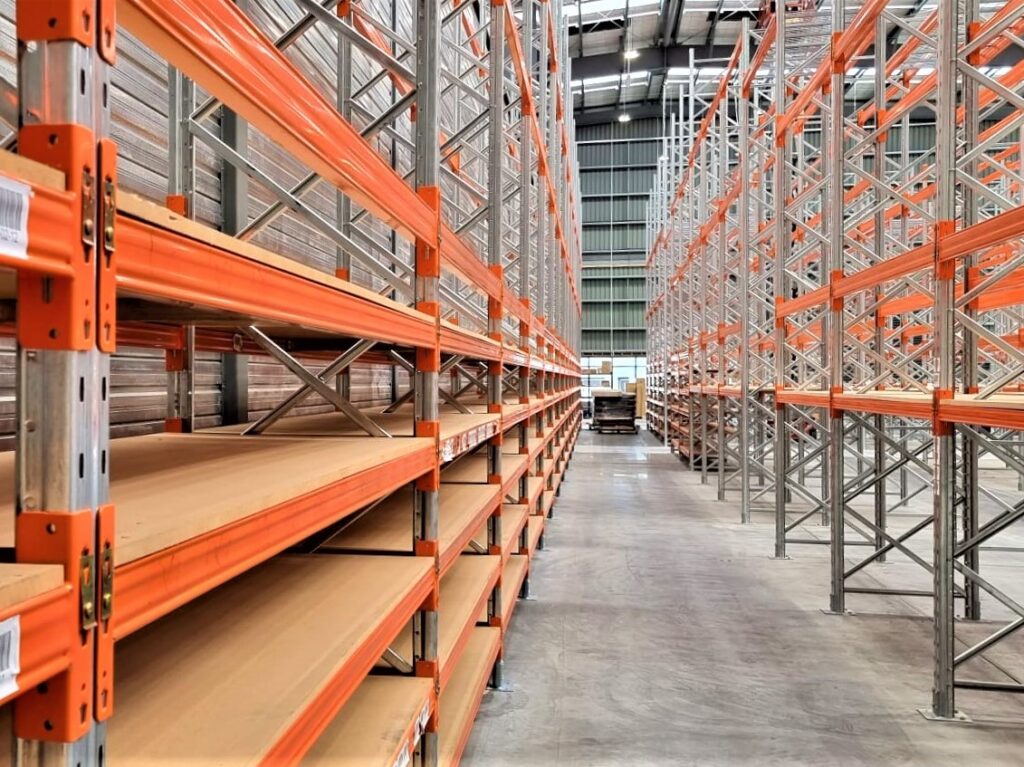
When Second-Hand Racking Provides Better Value
Used pallet racking can offer substantial value in specific situations, especially when cost savings and material compatibility are priorities. Common scenarios include:
- Adding to an existing system with like-for-like materials
- Reconfiguring a warehouse using a mix of existing and second-hand components
- Tight budgets where appearance isn’t critical
- Reconfiguration or Relocations, where you can reuse your racking and top it up with compatible second-hand stock to limit wastage and cost.
For example, if you’re moving out of a warehouse and the new tenants don’t want your racking, reusing your own equipment in a new fit-out alongside second-hand add-ons can save significant time and money.
Long-Term Factors When Choosing New vs Second-Hand Pallet Racking in NZ
When making your decision, it’s worth looking beyond just the upfront price.
Lifespan:
Second-hand systems, while functional, often come with a 25%–50% shorter lifespan. That said, most warehouse pallet racking lasts 10–15 years, so this may not be a dealbreaker for businesses with shorter-term plans.
Resale Value:
Used racking tends to retain resale value better. Most depreciation is already accounted for by the original buyer, and resale value typically sits at 25%–33% of the original price. To maximise value:
- Stick to well-known, common brands
- Avoid obscure or discontinued product lines
Adaptability:
New racking offers more freedom to scale and customise. With second-hand systems, replacement parts or accessories may be difficult to find later, especially if your beams or frames are rare sizes.
If adaptability is important for your future plans, factor this in.
For example, you might find a reasonable purchase price for a large quantity of beams 2591mm long. However, as these are a rare size, you will likely struggle to find material to create additional levels in the future.
How to Reduce Risk When Buying Used Warehouse Racking
Not all second-hand racking is created equal. To avoid pitfalls:
- Ask your supplier if they’d be willing to repurchase it at the end of life. This is a good test of whether the brand is common/popular and resale-worthy.
- Check certification requirements before purchasing, and factor in pallet racking compliance in New Zealand upgrades to your total estimate.
- Research sizes and brands that are easy to resell.
Plan for accessories you may need later, like pallet supports or fork-entry bars and make sure they’re available for your chosen system.
Related Resource: Managing Risks When Buying Second-Hand Racking
Which Option is Best for Your Warehouse?
There’s no universal winner in the new vs used racking debate. The best choice depends on your warehouse goals, budget, and future plans.
- Choose new racking when longevity, adaptability, and customisation matter most.
- Consider second-hand racking when cost savings, reuse, or short-to-medium-term flexibility are the priority.
At Shelving Depot, we help New Zealand businesses weigh up the pros and cons based on their specific needs, and we supply both new and quality second-hand racking.
Need help deciding what’s right for your warehouse? Talk to our team and we’ll help you make the most cost-effective, compliant decision for your next project. We’ll take care of it.